
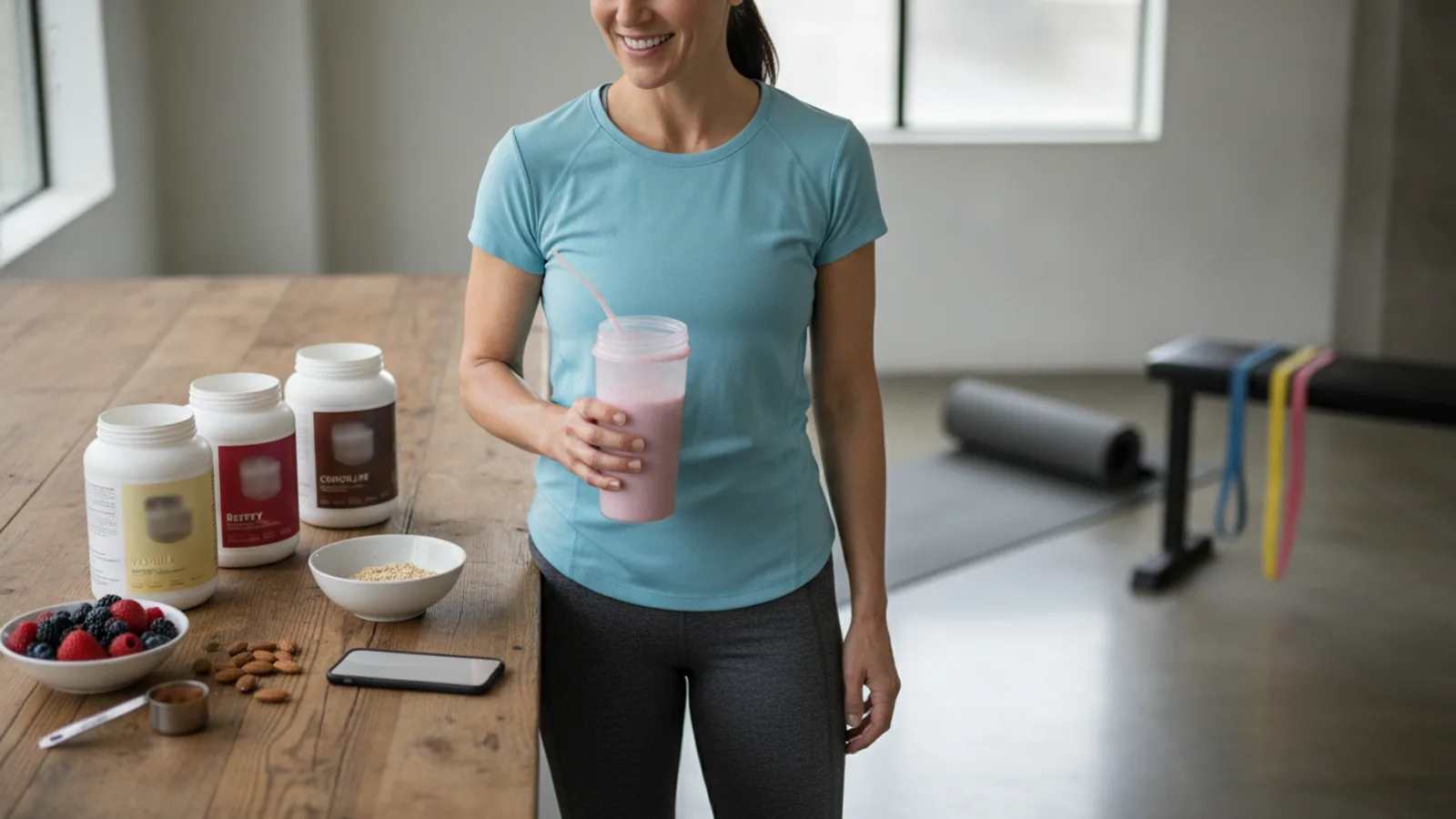
Best Protein Powder For Women 2026
Roundup review
Our 2026 analysis of the UK market for women's protein supplements involved a comprehensive review of over 30 products, focusing on protein quality, nutritional profile, ingredient transparency, and aggregated user feedback. We did not conduct hands-on testing; our recommendations are based on publicly available data and clinical understanding. For its exceptional balance of quality, taste, and value, we have identified Optimum Nutrition Gold Standard 100% Whey as the best overall protein powder for most women. Please note: this article contains affiliate links. Clicking and purchasing may earn us a commission at no extra cost to you, which helps support our research and writing. This content is for informational purposes only and does not constitute medical advice.
Quick Comparison
ON Gold Standard
- Excellent blend quality
- High protein per serving
- Wide flavour selection
Vivolife PERFORM
- Fermented protein for digestion
- Third-party tested
- Includes BCAAs and turmeric
PhD Diet Whey
- Low in sugar and calories
- Added weight management aids
- Reputable UK brand
Myprotein The Whey ISO
- High-purity whey isolate
- Extremely low lactose
- Added digestive enzymes
Bulk Pure Whey Isolate
- Highly versatile for recipes
- No sweeteners or flavours
- Excellent value for isolate
The Best Protein Powder For Women
- Optimum Nutrition Gold Standard 100% Whey - Best Overall
- Vivolife PERFORM Raw Plant Protein - Best for Plant-Based Diets
- PhD Nutrition Diet Whey - Best for Weight Management
- Myprotein The Whey ISO - Best for Sensitive Stomachs
- Bulk Pure Whey Isolate 90 - Best Unflavoured & Versatile
Optimum Nutrition Gold Standard 100% Whey
Optimum Nutrition's Gold Standard Whey consistently earns its top position through a reliable and effective formulation. Its primary ingredient is whey protein isolate, a purer form of whey with less fat and lactose, blended with whey concentrate and peptides. This provides a high-quality, complete amino acid profile that supports muscle repair and growth. With 24g of protein per serving and a low count of sugar and fat, it fits seamlessly into various dietary plans. Its mixability is exceptional, and the extensive range of flavours makes it a sustainable choice for long-term use. For most women seeking a dependable, effective, and great-tasting protein supplement, this is the clinical and practical benchmark.
Pros
- Whey protein isolate as the primary ingredient
- Excellent protein-to-calorie ratio
- Informed Choice certified, banned substance tested
- Superior mixability and wide flavour selection
Cons
- Contains sucralose and acesulfame potassium sweeteners
- Not suitable for vegans or those with dairy allergies
- Higher price point than some basic concentrates
Vivolife PERFORM Raw Plant Protein & BCAA
For women following a vegan or plant-based diet, or those who avoid dairy, Vivolife PERFORM is an exceptional choice. It utilises a blend of fermented yellow pea and cold-pressed hemp protein, providing a complete amino acid profile with 25g of protein per serving. The fermentation process is designed to enhance digestibility and absorption, a common concern with plant proteins. Crucially, every batch is third-party tested for heavy metals and other contaminants, offering a level of transparency that is vital for health-conscious consumers. The inclusion of 6g of plant-based BCAAs and turmeric extract for recovery support makes it a comprehensive, performance-focused product that justifies its premium positioning.
Pros
- Fermented protein for improved digestion
- Third-party tested for heavy metals and pesticides
- 25g protein and 6g BCAAs per serving
- No added sugar, sweetened with stevia
Cons
- Significantly more expensive than whey or other plant blends
- Earthy taste profile may not appeal to all users
- Slightly grittier texture than whey powders
PhD Nutrition Diet Whey
PhD Diet Whey is formulated specifically for individuals whose primary goal is weight management or body composition improvement. Each serving is low in calories (around 91 kcal) and sugar while delivering 17g of protein from a multi-source blend. What sets it apart is the inclusion of ingredients often associated with fat metabolism, such as CLA (Conjugated Linoleic Acid), L-carnitine, and green tea extract. While the direct impact of these additions can vary between individuals, their inclusion provides a targeted formula. The protein content helps promote satiety, which is a key factor in managing calorie intake. It's a popular, accessible option in the UK for those seeking more than just a standard protein shake to support their fat loss journey.
Pros
- Very low calorie and sugar content per serving
- Contains CLA, L-carnitine, and green tea extract
- Promotes satiety to help manage appetite
- Widely available in UK supermarkets and online
Cons
- Lower protein content (17g) per serving than others
- Effectiveness of added fat-loss ingredients is debated
- Contains a proprietary protein blend
Myprotein The Whey ISO
For women who experience bloating or digestive discomfort with standard whey proteins, a high-purity whey isolate is often the solution. Myprotein's The Whey ISO is an excellent example, delivering 25g of protein per serving with minimal lactose, fat, and carbohydrates. This level of filtration removes many of the components that can cause gastrointestinal issues. Furthermore, this product is enhanced with MyZyme™, a blend of digestive enzymes specifically designed to help break down the protein into amino acids more efficiently, potentially reducing digestive load. This combination of a highly filtered protein source and added digestive support makes it a superior choice for those with lactose sensitivity or a generally sensitive digestive system who still wish to benefit from a high-quality whey protein.
Pros
- Extremely high protein content (up to 90%)
- Very low in lactose, fat, and sugar
- Includes MyZyme™ digestive enzyme complex
- Informed-Sport certified for athlete assurance
Cons
- More expensive than whey concentrate options
- Thinner consistency may be less satisfying for some
- Uses artificial sweeteners (sucralose)
Bulk Pure Whey Isolate 90
For women who want complete control over flavour, sweetness, and application, an unflavoured whey isolate is the optimal choice. Bulk's Pure Whey Isolate 90 is a standout product in this category, offering a clean, high-protein base (27g per 30g serving) with minimal other ingredients. Its purity means it has a neutral taste that can be easily added to fruit smoothies, morning porridge, or home baking without introducing unwanted flavours or artificial sweeteners. This versatility is its greatest strength. As an isolate, it is also low in lactose and fat, making it a suitable option for many with mild dairy sensitivities. For those prioritising a clean ingredient list and culinary flexibility over pre-made flavours, this product delivers exceptional quality and value.
Pros
- Extremely high protein content by weight
- No added sweeteners, flavours, or colours
- Highly versatile for use in smoothies, cooking, and baking
- Excellent cost per gram of protein for an isolate
Cons
- Unpalatable on its own with just water
- Can clump if not blended or shaken thoroughly
- Lacks the digestive enzymes of some premium isolates
Buying Guide: How to Choose a Protein Powder
Selecting the right protein powder requires careful consideration of your dietary needs, health goals, and personal preferences. This guide provides a clinical framework to help you make an informed decision. It is not a substitute for personalised medical or dietary advice.
Types of Protein
- Whey Protein: A milk-derived protein, it's a complete protein containing all nine essential amino acids.
- Concentrate: Contains 70-80% protein with some lactose and fat. It's the most common and cost-effective type.
- Isolate: Processed to remove most lactose and fat, containing 90%+ protein. A good choice for those with mild lactose intolerance.
- Hydrolysate: Pre-digested for faster absorption, but often more expensive and with a more bitter taste.
- Casein Protein: Also from milk, but digests slowly, providing a sustained release of amino acids. Often used before bed.
- Plant-Based Proteins: Essential for vegans or those with dairy allergies.
- Pea & Rice Blend: Combining these two sources typically creates a complete amino acid profile.
- Soy Protein: A complete plant protein, though some people choose to avoid it due to allergen or hormonal concerns.
- Hemp Protein: Rich in omega fatty acids and fibre, but lower in protein content than other sources.
Key Factors to Consider
1. Protein Content: Look for a powder that provides 20-25g of protein per serving. Check the protein percentage by dividing the grams of protein by the serving size in grams. A high-quality product will be above 75%.
2. Ingredient List: A shorter ingredient list is often better. Scrutinise it for:
- Sweeteners: Many use artificial sweeteners like sucralose or acesulfame potassium. Others use natural sweeteners like stevia or monk fruit. Unflavoured options provide total control.
- Fillers and Thickeners: Ingredients like maltodextrin add calories and can cause digestive upset in some. Gums (xanthan, guar) are used for texture.
- Added Nutrients: Some formulas add vitamins, minerals, digestive enzymes, or greens. Assess if these are beneficial for you or redundant with your existing diet and supplements.
3. Third-Party Testing: Certifications like 'Informed Sport' or 'NSF Certified for Sport' verify that a product is free from banned substances. For plant-based proteins, independent testing for heavy metals provides crucial peace of mind.
4. Alignment with Your Goals:
- Muscle Support: A fast-absorbing whey isolate or a high-quality plant blend is ideal post-workout.
- Weight Management: A low-calorie, low-sugar powder that promotes satiety can be beneficial. Look for isolate or specific 'diet' blends.
- General Wellness: Any high-quality protein can supplement a balanced diet to help meet daily protein targets.
A Note on Medical Consultation: Before starting any new supplement, including protein powder, it is advisable to consult with a GP or a registered dietitian. This is particularly important if you are pregnant, breastfeeding, have pre-existing kidney conditions, or manage other health concerns.
Final Verdict: Best Protein Powder for Women
After a thorough analysis of the UK market, our recommendation for the best protein powder for most women in 2026 is the Optimum Nutrition Gold Standard 100% Whey. It offers a clinically sound formula with whey isolate as its primary ingredient, ensuring high purity and an excellent amino acid profile. Its reliability, superior mixability, and wide flavour range make it a sustainable and effective choice for supporting a range of fitness and wellness goals.
For those requiring a plant-based option, the Vivolife PERFORM stands out for its commitment to ingredient quality, digestive support through fermentation, and rigorous third-party testing. While it comes at a premium price, its transparent and health-focused formulation makes it the top choice in the vegan category. Your final decision should always be guided by your individual dietary requirements, goals, and budget.
Best Protein Powder For Women 2026 FAQ
Do women need a different protein powder than men?
Biologically, the protein itself is processed the same way regardless of gender. There is no specific "female protein." However, products marketed towards women may have a lower calorie count per serving, different micronutrient fortifications (e.g., added iron or folic acid), or focus on flavours and branding perceived to appeal more to a female audience. The core protein source—whey, casein, or plant—is universally effective.
When is the best time to take protein powder?
For muscle repair and growth, consuming protein within a couple of hours after a workout is often recommended (the "anabolic window"). However, recent research suggests that meeting your total daily protein intake is more critical than precise timing. It can be taken post-workout, as a meal replacement, or as a supplement to a low-protein meal at any time of day.
Can protein powder help with weight loss?
Protein powder can support weight loss as part of a calorie-controlled diet and exercise plan. Protein is highly satiating, meaning it helps you feel fuller for longer, which can reduce overall calorie consumption. It also helps preserve lean muscle mass during a calorie deficit, which is crucial for maintaining a healthy metabolic rate.
Are there any side effects of protein powder?
For most healthy individuals, protein powder is safe. The most common side effect is digestive distress (bloating, gas), particularly with whey concentrates in people with lactose sensitivity. Choosing a whey isolate or a plant-based protein can often mitigate this. Consuming excessive protein over a long period can put a strain on the kidneys, which is why it is vital to adhere to recommended serving sizes and consult a healthcare professional if you have pre-existing kidney issues.
How much protein do I need per day?
The UK Recommended Nutrient Intake (RNI) for adults is 0.75 grams of protein per kilogram of body weight per day. However, for active individuals, needs are higher. A general guideline for those who exercise regularly is 1.2 to 1.7 grams of protein per kilogram of body weight. For precise, personalised recommendations, it is always best to consult a registered dietitian or nutritionist.